Polymer
What is a Polymer ?
A polymer is a large molecule, or macromolecule, composed of many repeated and long chain subunits. Human DNA is a polymer with over 20 billion constituent atoms. Proteins (made up of amino acids), anything plastic, and many other molecules that make up life are polymers.
Polymer Chains & Polymer Types
There are two types of polymers that play an essential role in everyday life:
- Synthetic: Synthetic polymers are derived from petroleum oil and made by humans (scientists and engineers), including thermoplastics, thermosets, and elastomers.
- Natural: Natural polymers occur in nature and can be extracted. They are often water-based, including silk, wool, DNA, cellulose, and proteins.
What is a Thermoplastic?
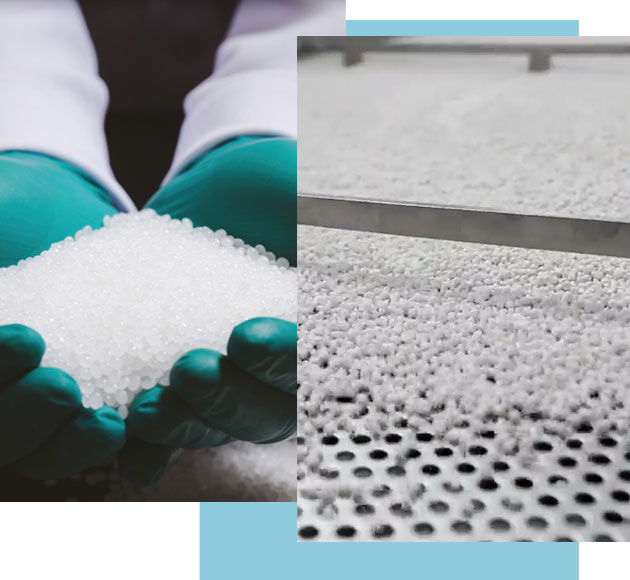
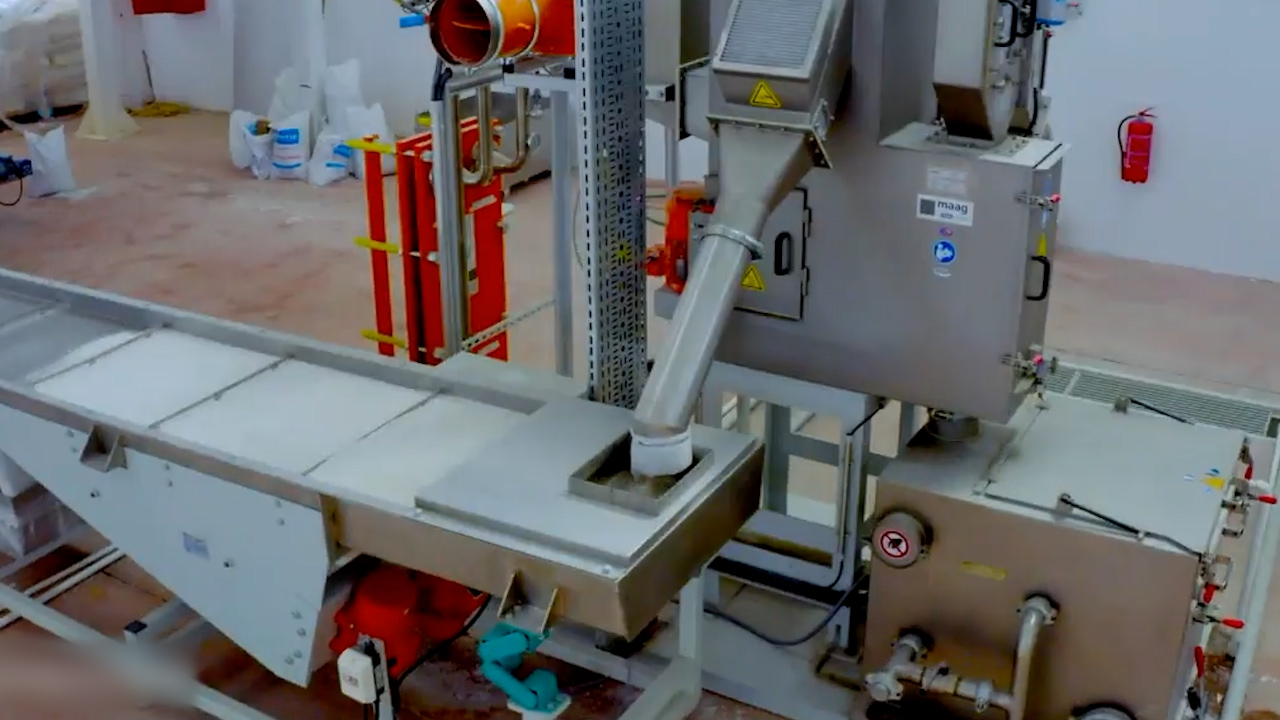
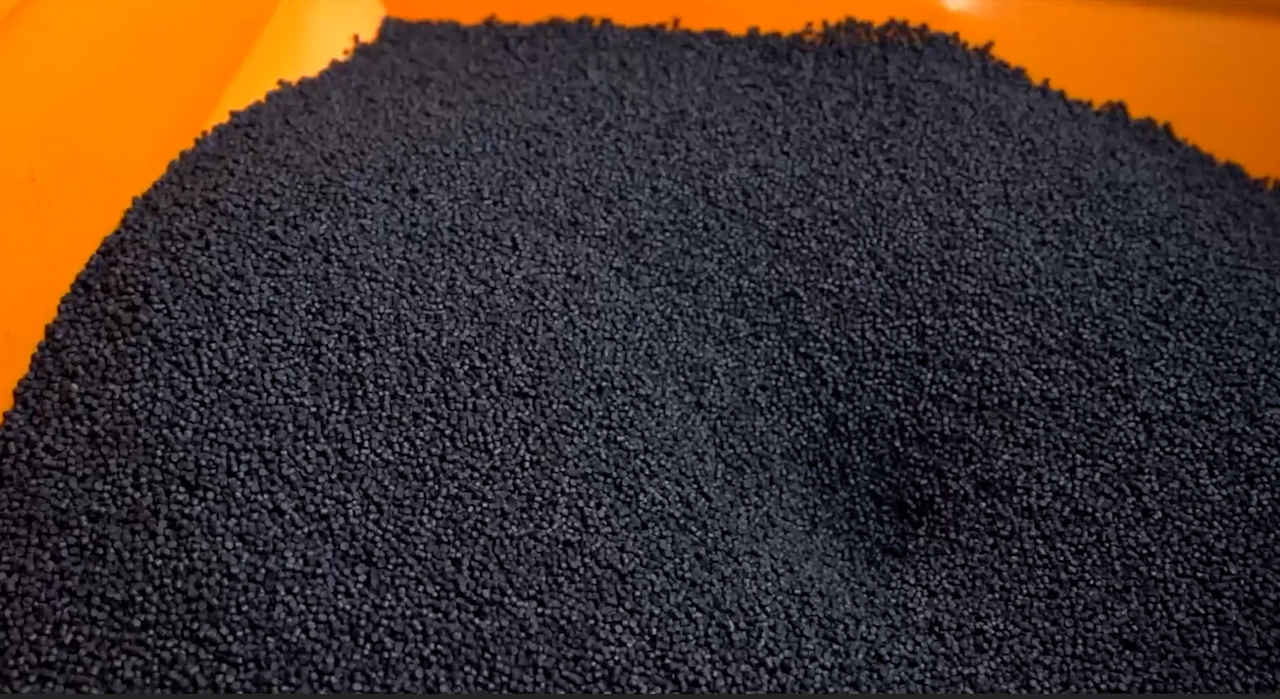
A thermoplastic is a type of plastic made from polymer resin that becomes a homogenized liquid when heated and hard when cooled. Thermoplastic materials can be cooled and heated several times. Thermoplastics have wide-ranging properties. Depending upon their chemistry, they can be very much like rubber or as strong as aluminum. There are various kinds of thermoplastics, with each type varying in crystalline organization and density. The most common products include Polyethylene (PE), Polypropylene (PP), and others.
Polymer
What is Polyethylene (PE)? ?
Polyethylene is the most common plastic, with annual consumption rates exceeding 50 billion pounds per year. Polyethylene is a polyolefin (high molecular weight hydrocarbons) that we use most in our daily life, including grocery bags, shampoo bottles, children’s toys, shopping bags, detergent bottles, automobile fuel tanks, and more. PE’s properties depend on the degree of branching of the chain. PE can be produced in two commercial types that are available:
- High Density Polyethylene (HDPE)
- Linear Low-Density Polyethylene (LLDPE)
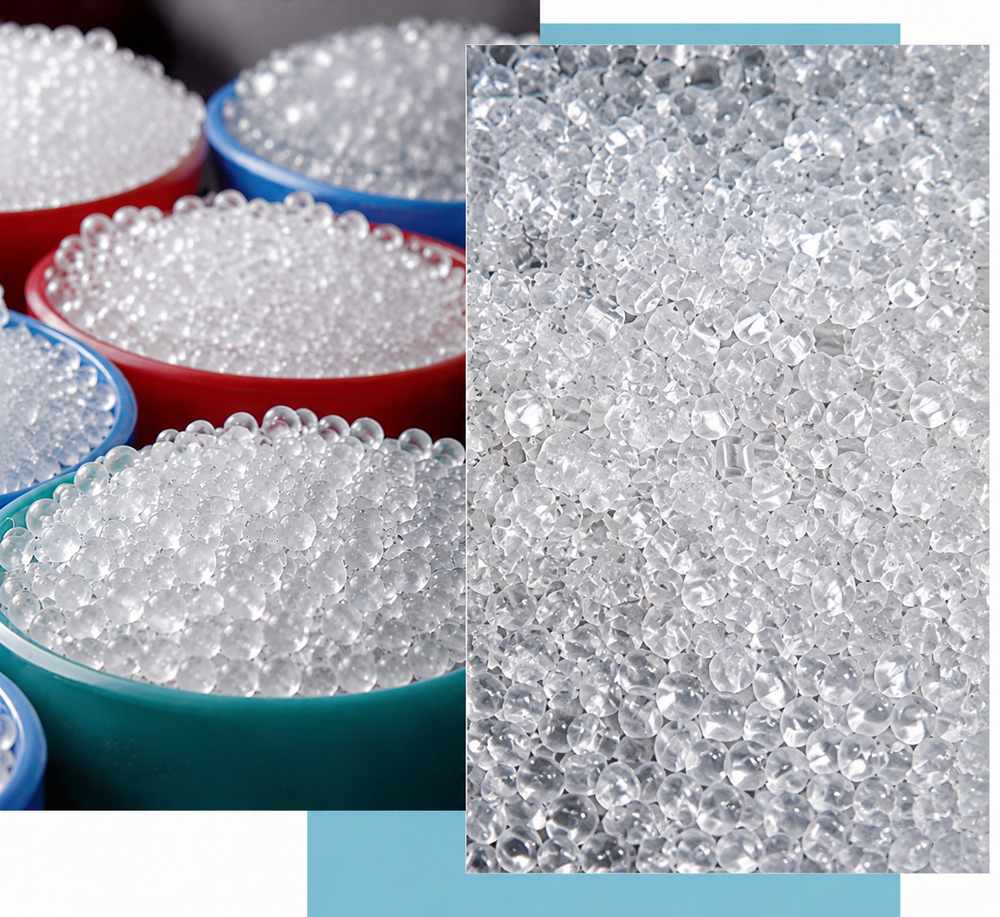
Ario Petro Co (HDPE, LLDPE, PP)
High-density polyethylene (HDPE) is one of the most commonly used plastics across the world. Iran HDPE is a polyethylene thermoplastic made from petroleum, and its recycling code is 2 (#2 plastic label).
Iran HDPE Special Features
- Stronger than standard polyethylene, effective moisture barrier, solid at room temperature.
- Resists insects, rot, and other chemicals.
- Melting point more than 20°C higher than LDPE; withstands repeated exposure to 120°C.
- Good impact resistance, lightweight, low moisture absorption, high tensile strength.
- Good chemical resistance and high rigidity, ideal for trays and tanks.
Iran HDPE Uses
Used in PE pipes, blow-molded bottles, grocery bags, construction film, agricultural mulch, injection-molded pails, caps, appliance housings, toys, plastic lumber, recycled furniture, buckets, crates, office products, and automobile parts.
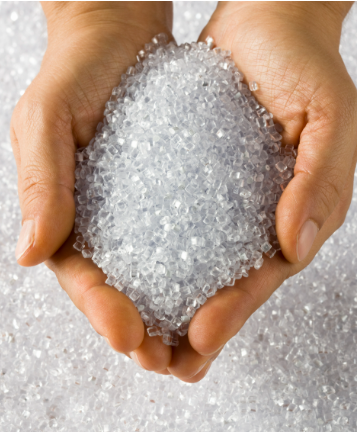
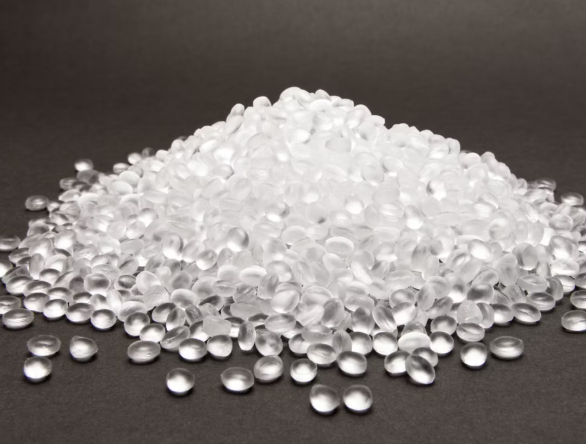
Ario Petro Co Polypropylene (PP)
Polypropylene (PP) is a thermoplastic polymer used widely in packaging, labeling, textiles, and as fiber-type plastic. It has varied properties making it suitable for many products.
Iran PP Special Features
- High melting point (320°F).
- Can be colored without quality degradation.
- Strong and durable.
- Excellent moisture resistance.
- Lightweight and flexible.
- Low cost.
Ario Petro Co Linear Low Density Polyethylene (LLDPE)
Linear Low-Density Polyethylene (LLDPE) is a linear polymer (polyethylene) thermoplastic made from ethylene copolymer. Iran LLDPE has many short branches that allow sliding without entanglement. Recycling code is 4 (#4).
Iran LLDPE Special Features
- Very flexible, melting point ~110°C.
- Excellent resistance to acids, bases, vegetable oils.
- High toughness, flexibility, relative transparency, almost unbreakable.
- Cheap polymer with good mechanical and chemical resistance.
- Used for tubing, water, chemical, and gas applications, food-contact and medical grades available.
Iran Plastic Granule Advantage
Many things in the world are made of polymers so polymers have crucial and critical roles in our life. Anything plastic and many other molecules that make up life are polymers. Iran Polymer production is developing quickly because of the high demand of polymers in most industries.